
Developmental Educators Week: The work behind the progress
This week, 2 to 6 November, is Developmental Educators Week. The 2026 theme, “The DE Difference: Specialist knowledge. Meaningful impact.”, recognises the specialised knowledge Developmental Educators bring to the disability sector and the difference their work makes in people’s lives.
At Barkuma, that difference can be seen in the everyday progress of the people we support. One of the people making that happen is Melissa Sharpe, a Developmental Educator who works with participants across Barkuma Commercial Services (BCS) and Steps2Work, Barkuma’s employment capacity building service.
But what does a Developmental Educator do, and how does their specialist knowledge translate into real-world outcomes?
What is a Developmental Educator?
Melissa describes the profession this way: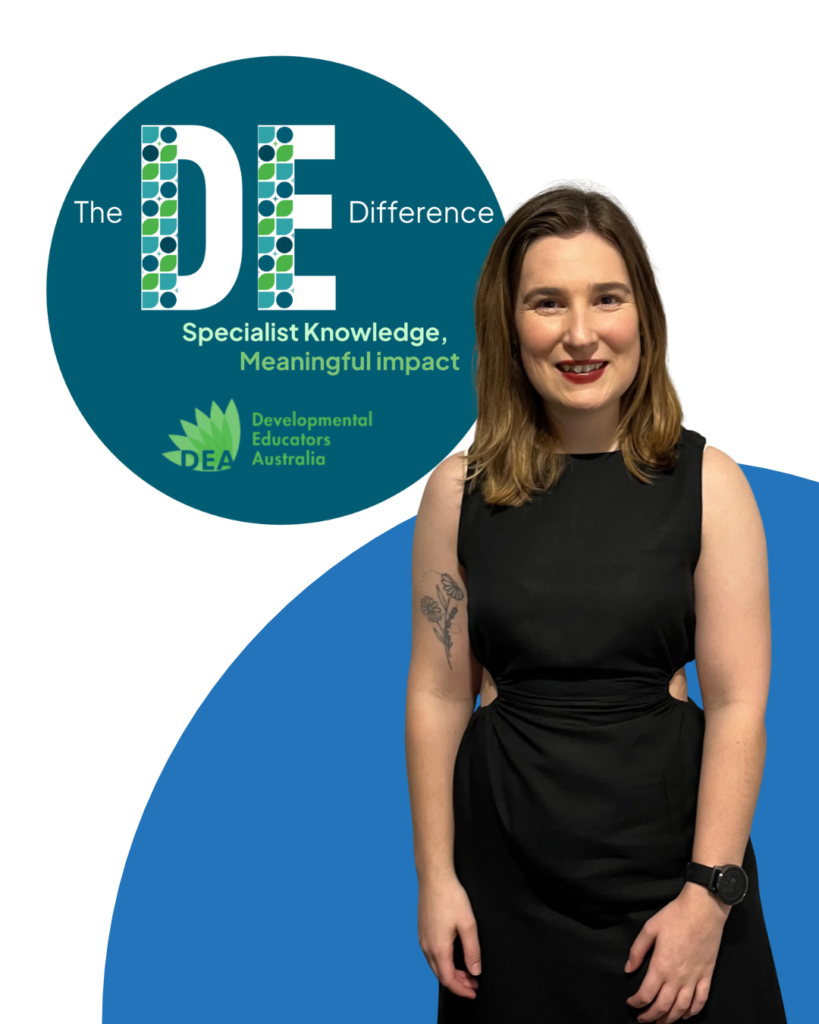
“A Developmental Educator is a disability professional who works alongside people with disability to build skills, increase independence, and achieve their personal goals. Through person-centred support, they help individuals achieve their goals in areas such as daily living, emotional wellbeing, communication, employment, and community participation.”
Developmental Educators are degree-qualified disability and allied health professionals. To practise, they must meet the core competencies set by Developmental Educators Australia through a four-year bachelor degree or a master’s degree in developmental education or disability studies.
This specialist training equips them to work alongside people with disability across the life course, using a human rights-based approach. Melissa brings this expertise to her role at Barkuma, having completed a Bachelor of Disability and Developmental Education.
Developmental education at Barkuma
At Barkuma, Melissa applies her specialist knowledge to help participants develop the skills, confidence and independence that can open up opportunities for employment.
“I work alongside participants in Barkuma Commercial Services (BCS) and Steps2Work to build their job readiness, employment skills, and confidence in pursuing meaningful work opportunities,” Melissa explains.
This involves more than developing practical workplace skills. Melissa also works with participants on areas that can influence their ability to secure and sustain employment, including emotional regulation, social and communication skills, problem-solving and self-advocacy.
By understanding each person’s strengths, support needs and goals, she can tailor her approach to help them navigate challenges, build on what they can already do and take greater ownership of their employment journey.
Progress in practice
The impact of this work is often seen in the small but significant steps that build towards greater independence.
In BCS, Melissa worked one-on-one with a production worker who was developing strategies to manage his emotions in the workplace.
“Together, we created a personalised resource to help him recognise and manage his emotions at work,” she says. “Over time, he has shown increased confidence in independently using these strategies and accessing the tool when needed.”
Having a practical resource he can turn to has helped him develop greater confidence in managing workplace situations, with less reliance on direct support.
In Steps2Work, Melissa supported a participant who initially found it difficult to attend appointments. Rather than rushing the process, they focused on gradually building her familiarity with the site and maintaining regular communication with her support network. That consistent approach has made a difference. She has now attended multiple appointments and is enthusiastic about beginning her job-seeking journey.
While the outcomes are different, both examples demonstrate the value of understanding the person first. Progress takes time, and having the right support, delivered in a way that works for each individual, can help turn challenges into new possibilities.
Seeing it click
For Melissa, the most rewarding part of her role is seeing the progress that comes from this work.
“What I love most about being a Developmental Educator is seeing those moments when something finally clicks for someone,” she says. “Being part of that journey is incredibly rewarding and is what makes this role so meaningful to me.”
Those moments might look different for every person. It could be someone finding a new way to manage a challenging situation at work, becoming more confident attending appointments or taking the next step towards employment.
Each represents progress on that person’s own terms.
This Developmental Educators Week, we recognise Melissa and the specialist knowledge, commitment and care she brings to her work at Barkuma. Her contribution helps people build skills, overcome barriers and access opportunities to participate more fully in work and community life.
Learn more
To find out more about Developmental Educators Week and the 2026 campaign, visit Developmental Educators Australia.
To learn more about Barkuma’s employment services and how we support people with developmental disability, visit Barkuma.